
Pet Diagnostics and Bloodwork in Jersey City
When a dog or cat seems off, a physical exam can only tell us so much. Lab tests show what is happening inside the body, from organ function to hidden parasites and infections. Pet owners in Downtown Jersey City, Paulus Hook, and Hamilton Park rely on our hospital for on-site diagnostic bloodwork for cats and dogs, so answers can start during the same visit.
At Veterinaire Pet Care, testing includes blood chemistry panels, thyroid levels, complete blood counts, urinalysis, fecal testing, and infectious disease screening. Most of these tests run on our in-house IDEXX lab equipment, which provides fast and reliable results. Diagnostics are part of the full range of veterinary services we offer in Jersey City, and they connect directly to the imaging and treatment your pet may need.
Pet Diagnostics and Bloodwork at Veterinaire Pet Care
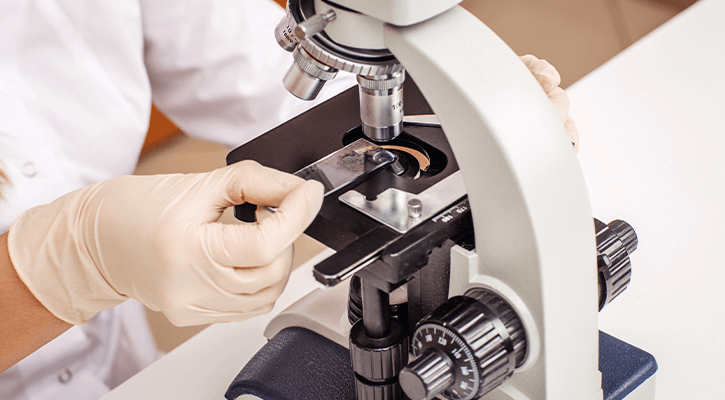
During your pet’s exam, we may recommend laboratory tests using samples of blood, urine, skin, hair, or feces. These results help our veterinarians understand your pet’s internal health in ways that looking and listening cannot.
Because the lab is inside our hospital on Marin Boulevard, your veterinarian can review many results quickly and explain what they mean. Normal results become a baseline for future visits, which can make small changes easier to spot.
Which Pet Diagnostic Tests We Run in Jersey City
Each test answers a different question. This table shows the main tests we use and what each one can help us learn about your dog or cat.
| Test | Sample | What It Can Tell Us |
|---|---|---|
| Complete Blood Count (CBC) | Blood | Red cells, white cells, and platelets. Helps diagnose anemia, infections, and leukemia, and tracks how a pet responds to therapy. |
| Blood Chemistry Panel | Blood | Electrolytes, enzymes, calcium, and phosphorus. Shows how organs such as the kidneys and liver are functioning. |
| Thyroid Level | Blood | Screens for an overactive thyroid, common in cats, or an underactive thyroid, more common in dogs. |
| Infectious Disease Screen | Blood | 10-minute screens for heartworm and tick-borne diseases like Lyme disease in dogs, and FIV and feline leukemia virus in cats. |
| Urinalysis | Urine | Protein, sugar, white blood cells, or blood that should not be in urine. Can point to urinary tract infections, diabetes, dehydration, or kidney problems. |
| Fecal Test | Stool | Intestinal parasites, including Giardia, which city dogs can pick up from sidewalks and parks. |
| X-Ray | Imaging | Bones, joints, chest, and the size and shape of organs. |
| Ultrasound | Imaging | A real-time view of the internal structure of abdominal organs. |
When Our Jersey City Veterinarians Recommend Bloodwork
Testing is not only for sick pets. Here are the most common reasons we recommend diagnostic bloodwork and other lab tests.
- Checking internal organ health when your pet is sick
- Routine yearly testing for heartworm or fecal parasites
- Baseline labwork as your pet becomes a senior
- Screening for infectious diseases such as Lyme disease and leptospirosis
- Monitoring diabetes, thyroid problems, or kidney problems
- Pre-surgical screening to confirm organs are healthy enough for anesthesia
For pets living with chronic conditions, repeat testing helps us see whether a medication dose is working. Before any procedure, including pet surgery or a dental cleaning, pre-anesthetic bloodwork helps us plan anesthesia as safely as possible.
Symptoms That May Call for Pet Bloodwork in Jersey City
Thyroid, kidney, and blood sugar problems often show up first as small shifts in daily habits, even when a pet still seems happy.
Call Us if You Notice
- Drinking or urinating more than usual
- Weight loss with a normal or increased appetite
- Weight gain, low energy, or hair loss
- Restlessness or hyperactivity in an older cat
- Diarrhea or changes in stool
- Pale gums or unusual tiredness
Call (201) 839-6939 and we will help you decide whether your pet should come in for testing.
How Pet Diagnostics Work at Veterinaire Pet Care
From the moment a sample is collected to the moment you leave with a plan, here is what a diagnostic visit usually looks like.
- Exam and HistoryYour veterinarian examines your pet, asks about changes at home, and explains which tests may help.
- Sample CollectionA small blood draw, urine sample, or stool sample is collected. Our team works gently to keep pets calm.
- In-House TestingMany samples are run on our in-house lab equipment, so results are often ready sooner than you might expect.
- Imaging if NeededIf lab results raise questions about a specific organ, bone, or joint, your veterinarian may recommend an X-ray or ultrasound for a closer look.
- Your Pet’s PlanWe walk you through the results, answer your questions, and recommend treatment, medication from our in-house pharmacy, or follow-up testing.
How Bloodwork Connects to X-Rays and Ultrasound in Jersey City
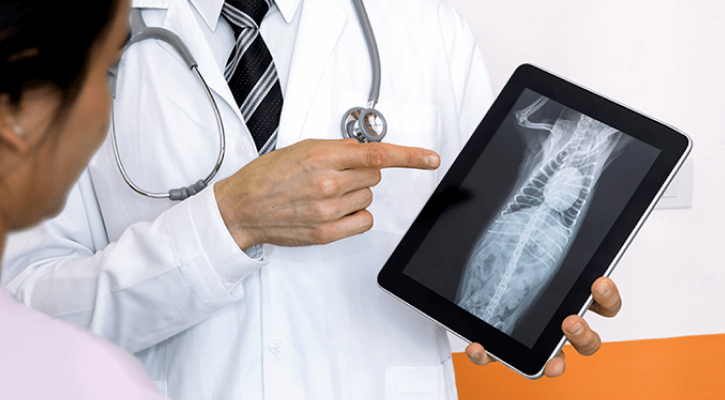
Bloodwork tells us how organs are functioning. It does not show their size, shape, or structure. When a chemistry panel suggests a kidney or liver problem, or a pet is limping or coughing, pet X-rays can show bones, joints, the chest, and the outline of organs.
Because lab work and imaging both happen at our hospital, your veterinarian can move from one to the other without a referral elsewhere.
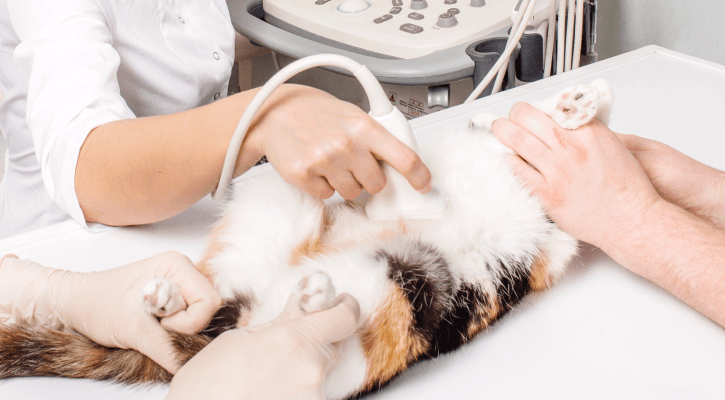
Pet ultrasound adds a real-time view inside the abdomen. It can help us examine organs such as the bladder, kidneys, and liver in more detail after a urinalysis or blood panel points us in that direction.
Together, lab results and imaging give a fuller picture than either one alone.
Meet the Veterinarians Behind Our Jersey City Diagnostics
Every lab result is reviewed by one of our veterinarians, trained at Cornell University, Tufts University, and Seoul National University. Dr. Belen Albarracin also brings a background in biomedical research.
 Dr. Jieun KwonSeoul National University, ECFVG certified
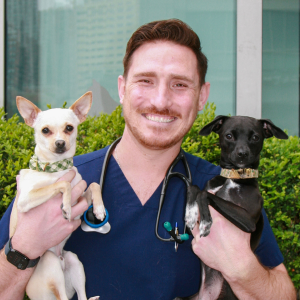 Dr. Henry DurgaSurgery, anesthesia, and geriatric care
 Dr. Belen AlbarracinCornell DVM, biomedical research background
 Dr. Diana ChoiTufts University
 Dr. Karen LiCornell University
Read more about our Jersey City veterinarians and how they work together on each pet’s care.
Pet Diagnostics Cost, Financing, and Insurance in Jersey City
The cost of diagnostic testing depends on which tests your pet needs, whether imaging is added, and whether results call for repeat or follow-up testing. Your veterinarian will explain the recommended tests and provide an estimate before anything is run.
If you would like to spread out the cost, we accept CareCredit financing for qualifying care. Many pet insurance plans may cover diagnostic testing when a pet is ill, and wellness add-ons may help with routine screening. We work with owners who carry Pumpkin, Lemonade, and Healthy Paws, and our team can provide records for claims. Learn more about pet insurance options.
Regular testing is especially valuable for senior pets. The Cornell Feline Health Center explains that hyperthyroidism, a common thyroid condition in cats, is diagnosed with blood tests. Catching changes like this early through routine pet diagnostics can allow for more effective treatment.
Pet Diagnostics and Bloodwork FAQs
These are questions Jersey City pet owners often ask before lab testing for their dog or cat.
Does my pet need to fast before bloodwork?
Sometimes. Certain tests, such as a blood chemistry panel, may be more accurate if your pet has not eaten for several hours. When you book, our team will let you know whether your pet should skip a meal.
How often should my dog or cat have bloodwork?
Many pets have yearly testing for heartworm and intestinal parasites. Senior pets and pets with chronic conditions such as diabetes, thyroid disease, or kidney disease may need bloodwork more often so we can track changes and adjust treatment.
What can a complete blood count show?
A complete blood count measures red blood cells, white blood cells, and platelets. It can help us diagnose anemia, infections, and leukemia, and it helps us monitor how a pet is responding to therapy.
Why does my veterinarian want a urine sample?
Urinalysis can detect protein, sugar, white blood cells, or blood that should not be in urine. It helps diagnose urinary tract infections, diabetes, dehydration, and kidney problems.
Does my pet need bloodwork before surgery or a dental cleaning?
We recommend pre-surgical screening before anesthesia. Bloodwork helps confirm that organs such as the liver and kidneys are healthy enough for the procedure.
When would my pet need an X-ray or ultrasound in addition to lab work?
If bloodwork or urinalysis points to a problem with a specific organ, or your pet has signs like limping, coughing, or belly discomfort, your veterinarian may recommend an X-ray or ultrasound. Both are available at our hospital.
Schedule Pet Bloodwork in Jersey City
Veterinaire Pet Care brings in-house bloodwork, urinalysis, fecal testing, X-rays, and ultrasound together under one roof, with separate entrances and waiting rooms for cats and dogs to keep visits calmer. Our hospital at 201 Marin Blvd welcomes pets from Downtown Jersey City and the Jersey City neighborhoods we serve.
Whether your pet is due for routine screening or something just seems off, call us at (201) 839-6939 or request an appointment online to schedule diagnostic testing for your dog or cat.