
Spay and Neuter in Jersey City
Deciding when to spay or neuter is one of the first big health choices for a new puppy or kitten, and it is natural to have questions about timing, safety, and recovery. Veterinaire Pet Care provides spay and neuter surgery for cats and dogs in Jersey City, and we walk you through each step so you know what to expect. Pet owners in Downtown Jersey City, Exchange Place, and Liberty Harbor can schedule a consultation at our hospital on Marin Boulevard.
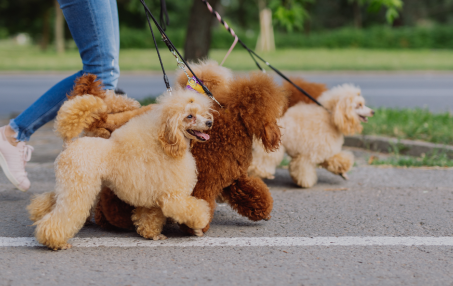
Spaying and neutering prevent accidental litters and help address the serious problem of pet overpopulation in New Jersey and nationwide. Many shelter animals are rescued from the streets or surrendered by their families, and countless more never reach a shelter at all. Spay and neuter care is one of the many veterinary services we offer in Jersey City.
Spay and Neuter Surgery at Veterinaire Pet Care
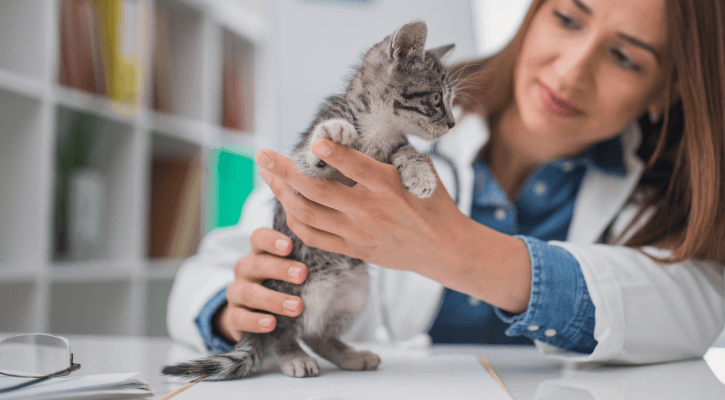
Spaying and neutering are common surgical procedures, and both are performed while your pet is under general anesthesia so they do not feel pain during surgery. When people describe a pet as “fixed” or “altered,” it means the pet has had one of these procedures.
Before surgery, your veterinarian reviews your pet’s health and age and talks with you about timing. The American Veterinary Medical Association supports spaying and neutering as a way to reduce the number of unwanted dogs and cats, and we tailor the plan to your individual pet.
Spay vs. Neuter for Jersey City Dogs and Cats
The two procedures share the same goal but differ in a few important ways.
| Topic | Spay | Neuter |
|---|---|---|
| Who It Is For | Female dogs and cats | Male dogs and cats |
| What Is Removed | The reproductive organs, typically the ovaries and uterus, to prevent pregnancy | The testicles, to prevent him from fathering litters |
| Anesthesia | General anesthesia | General anesthesia |
| Health Benefits | Reduces the risk of breast cancer and dangerous uterine infections | Reduces the risk of testicular cancer and prostate problems |
| Behavior Changes | Ends messy heat cycles and the attraction of unwanted males | May reduce roaming, marking, spraying, and vocalizing |
| Recovery | An abdominal surgery, so activity is restricted while the incision heals | Usually a smaller incision, though rest and incision care are still needed |
When to Schedule a Spay or Neuter in Jersey City
Timing matters because pets mature quickly. Cats can become pregnant as early as five months old, and dogs as early as six months old, and each can have two to three litters a year. The right age for your pet may depend on species, breed, size, and overall health, so we recommend talking about timing at an early puppy or kitten visit. If you have questions about the best time for your pet’s surgery, our team is happy to talk it through.
Health and Behavior Benefits of Spay and Neuter Surgery
Having your pet spayed or neutered can help them live a longer, healthier life. Beyond the cancer and infection risks in the comparison above, the procedure can reduce the urge to roam in search of a mate, which lowers the chances of getting lost, fighting with other animals, or being hit by a car. Pets that are not frustrated by mating urges are often more content, less distracted, and easier to train.
Spaying and neutering may also reduce the tendency to bite while protective instincts toward home and family remain, since aggression and protectiveness are different things. It prevents the unexpected costs of food and veterinary care for an unplanned litter, and many communities in the Jersey City area may offer lower licensing fees for spayed or neutered pets.

What Happens on Spay or Neuter Surgery Day
Knowing the plan ahead of time can make surgery day less stressful for you and your pet. Here is how a typical procedure unfolds at our hospital.
- Before Surgery DayConsultation and InstructionsWe confirm timing, review your pet’s history, and give you fasting instructions. Pre-anesthetic bloodwork through our in-house diagnostics may be recommended to check organ function.
- Check-InDrop-Off and QuestionsYou bring your pet in at the scheduled time, and our team reviews the day’s plan and confirms the best way to reach you.
- Before AnesthesiaPhysical ExamYour veterinarian examines your pet to make sure they are ready for anesthesia and surgery.
- During SurgeryAnesthesia and MonitoringYour pet is placed under general anesthesia and monitored throughout the procedure.
- Waking UpRecovery and Pain ControlOur team watches your pet closely as they wake up and provides medication to ease soreness.
- Going HomeDischarge InstructionsYou receive home-care instructions, any medications, and guidance on whether a recheck visit is needed.
Rest Is the Best Medicine After Surgery
Spay and neuter care for Jersey City dogs and cats at 201 Marin Blvd, with clear recovery instructions for home.
Recovering at Home After Your Pet’s Spay or Neuter
Some soreness after surgery is normal, and our veterinary team provides medication to ease it. Most of the healing happens at home, so a calm space and a few simple habits make a big difference.
- Keep your pet calm and limit running, jumping, and rough play for as long as directed
- Use the cone or recovery suit so your pet cannot lick or chew the incision
- Look at the incision once or twice a day so you notice changes early
- Give medications exactly as prescribed and never use human pain relievers
- Skip baths and swimming until your veterinarian says the incision has healed
- Keep dogs on short leash walks and keep cats indoors during recovery
When to Call Us
Contact us at (201) 839-6939 if you notice redness, swelling, or discharge at the incision, an incision that opens, ongoing vomiting, refusal to eat, or lethargy that does not improve.
If your pet needs help outside our hours, contact an emergency veterinary hospital right away.
Meet the Veterinarians Behind Our Spay and Neuter Care
Your pet’s surgery, anesthesia, and recovery are overseen by our team of veterinarians, who trained at programs including Cornell University, Tufts University, and Seoul National University.
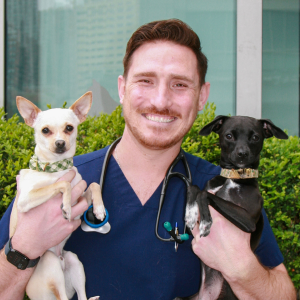 Dr. Henry DurgaSurgery, anesthesia, and pain management
 Dr. Jieun KwonSeoul National University, ECFVG certified
 Dr. Belen AlbarracinCornell DVM, biomedical research background
 Dr. Diana ChoiTufts University
 Dr. Karen LiCornell University
Get to know our veterinary team before your pet’s procedure.
Spay and Neuter Cost, Financing, and Pet Insurance
We provide an estimate after your veterinarian reviews your pet’s needs. The cost of a spay or neuter can depend on whether your pet is a dog or cat, their size, weight, and age, whether a female is in heat, and whether pre-anesthetic bloodwork, pain medication, or a cone are part of the plan.
We accept CareCredit financing on qualifying purchases. Many accident and illness policies do not cover routine spay or neuter surgery, but some wellness add-ons may help, and we recommend Pumpkin, Lemonade, and Healthy Paws. Learn more about pet insurance options.
Spay and Neuter FAQs
Here are answers to questions Jersey City pet owners often ask before scheduling surgery.
When should I spay or neuter my dog or cat?
Cats can become pregnant as early as five months old and dogs as early as six months old, so it helps to plan early. Your veterinarian will recommend timing based on your pet’s species, breed, size, and health.
Will my pet feel pain during or after surgery?
Your pet is under general anesthesia, so they do not feel pain during the procedure. Some soreness afterward is normal, and our team provides medication to keep your pet comfortable.
How long does recovery take after a spay or neuter?
Many pets start acting like themselves within a few days, but the incision needs time to heal. Activity is usually limited for around two weeks, or for as long as your veterinarian advises.
Does my pet need to wear a cone after surgery?
In most cases, yes. A cone or recovery suit keeps your pet from licking or chewing the incision, which could cause infection or open the wound.
Will spaying or neutering change my pet’s personality?
Your pet’s personality generally stays the same. The procedure may reduce mating behaviors such as roaming, marking, and spraying, while protective instincts toward home and family remain.
Will my pet gain weight after being spayed or neutered?
Some pets need fewer calories after surgery. We can review your pet’s weight and diet at future visits and suggest adjustments to help them stay at a healthy weight.
Schedule Spay or Neuter Surgery in Jersey City
Veterinaire Pet Care is committed to safe, professional spay and neuter services, with pre-surgical testing, careful anesthesia monitoring, and separate cat and dog entrances and waiting rooms that help keep surgery day calmer. Our hospital at 201 Marin Boulevard serves pet owners throughout Downtown Jersey City and the neighborhoods we serve in Jersey City.
To book your pet’s procedure or ask about timing, call us at (201) 839-6939 or request an appointment online.