
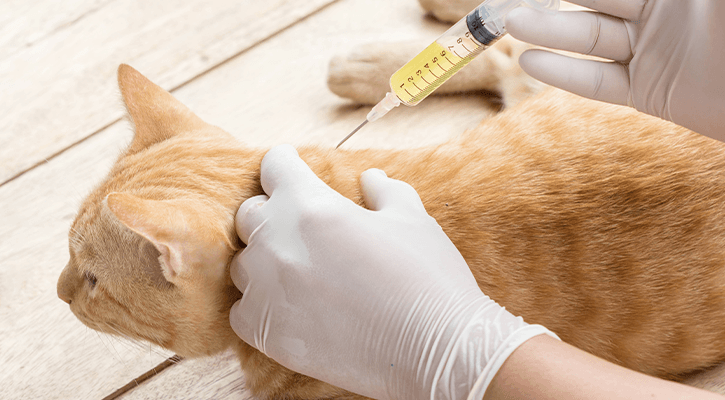
Pet Vaccinations in Jersey City
Vaccines protect pets from illnesses that spread quickly and can be hard to treat. They are one of the simplest ways to help your dog or cat stay healthy for years to come.
Veterinaire Pet Care provides pet vaccinations in Jersey City, NJ as part of our pet wellness exams, with plans built around your pet’s age, health, and daily life. We explain each vaccine and answer your questions before anything is given.
Why Vaccines Matter in a Busy City
Jersey City is a lively place for pets, with shared elevators, busy sidewalks, dog runs, and neighbors with animals of their own. More contact with other animals can mean more chances for infectious disease to spread.
Vaccination also protects people. Some diseases can pass from animals to humans, which is one reason keeping your pet’s protection current helps your whole household. Staying current also helps you meet requirements for boarding, grooming, daycare, and licensing.
Rabies Vaccination Rules and Timing
Rabies is the vaccine most pet owners hear about first, and for good reason. It protects pets from a serious disease and is governed by local laws, so your veterinarian provides the paperwork you need.
According to the Centers for Disease Control and Prevention, most dogs and cats should not receive a rabies vaccine before 3 months of age because young animals respond less strongly. The CDC also notes an animal is considered immunized 28 days after the first vaccination, and that schedules vary by product and state. We record each vaccine so you have documentation for licensing, boarding, or travel.
Vaccines Chosen Around Your Pet’s Lifestyle
No two pets face the same risks, so we match vaccine recommendations to how your pet lives. Factors we often discuss include:
- Boarding and grooming: Shared spaces where pets mingle may call for extra protection
- Dog parks and daycare: Frequent contact with unfamiliar dogs
- Travel: Trips within the region or abroad, which may require specific vaccines or documentation
- Indoor living: Even homebound pets can be exposed through open windows, visitors, or pests
- Age and health: Puppies, kittens, seniors, and pets with medical conditions
We review these factors at each visit because a pet’s routine can change from year to year. A new job, a move, or a new family member may change which vaccines make sense.
Vaccine Visits for Puppies and Kittens
Young pets often need a series of visits rather than a single appointment, because their immune systems are still developing. Starting on time and returning for each follow-up helps build protection gradually.
Bring any records from a shelter, rescue, or breeder to your first visit so we can see what your pet has already received. If records are missing, tell us what you know, and we can build a plan from there.
Boosters for Adult and Senior Pets
Protection does not last forever, so adult pets need booster vaccines on a schedule your veterinarian sets. Some boosters come every year, while others are given less often, depending on the vaccine and your pet’s risk. A quick review at each yearly exam helps keep your pet’s records on track.
Senior pets still benefit from vaccines, though we weigh each choice against their overall health. Our senior pet wellness visits let us review vaccines, check for age-related changes, and adjust the plan as needed.
What to Expect at a Vaccine Appointment
Every vaccine visit begins with an exam because a pet should be healthy enough to respond well. Our veterinarian reviews your pet’s history, discusses the recommended vaccines, and answers your questions before giving them. Most appointments are quick, so they fit easily alongside a routine checkup.
Some pets feel a little tired or sore afterward, which is usually mild. Seek care right away if you notice facial swelling, repeated vomiting, or difficulty breathing, and tell us about any past reactions so we can plan around them.

Parasite Prevention Alongside Vaccines
Vaccines protect against viruses and bacteria, but they do not stop fleas, ticks, heartworm, or intestinal worms. Our team pairs vaccination with parasite prevention so your pet has well-rounded protection.
Our in-house pharmacy makes it easier to get the preventives your veterinarian recommends, and diagnostic testing lets us check for parasites when needed.
Questions We Hear From Pet Owners
Many owners ask whether a pet with a minor cold can still be vaccinated. Mild symptoms may not rule it out, but a pet who is clearly ill may need to wait, and our veterinarian makes that call after an exam.
Another common question is what happens if a booster is overdue. In many cases, we can pick up where your pet left off, though the right approach depends on the vaccine and how much time has passed. Bring any records you have, and we can sort out a plan together.
Schedule Pet Vaccinations at Veterinaire Pet Care
Keeping vaccines current is one of the easiest ways to look after your pet’s long-term health. Our veterinarians are ready to review your pet’s records, answer your questions, and recommend a plan that fits your household. If you plan to travel, ask us about pet travel certificates too.
 Dr. Jieun KwonSeoul National University, ECFVG certified
 Dr. Henry DurgaSurgery, anesthesia, and pain management
 Dr. Belen AlbarracinCornell University
 Dr. Diana ChoiTufts University
 Dr. Karen LiCornell University
Protecting your pet now can save worry later. We look forward to helping you keep your pet protected, so contact our office to schedule a vaccination appointment.
